By Hajra, Clinical Psychology Research Scholar
Introduction
You open a chat to get help on a project. A few weeks later, you catch yourself smiling at your phone because a synthetic voice remembered your favorite song. That is not science fiction. It is a growing slice of daily life. In the largest analysis to date of a community literally called My Boyfriend Is AI, many people did not set out to form a bond with software. They slipped into one. The researchers found a pattern that feels both intimate and unsettling. People report emotional support and lower loneliness in the short run, yet the same bond can deepen isolation over time.
This article is my field guide to that paradox. I will explain why the human mind bonds with machines, when an AI relationship can be helpful, and where the risks start to climb. I draw on two new studies, one that mapped what people actually write in a community devoted to partner chatbots, and another that paired quasi-experimental social-media analysis with interviews to track real psychosocial changes.
Table of Contents
1. The Rise Of The AI Companion: More Common Than You Think
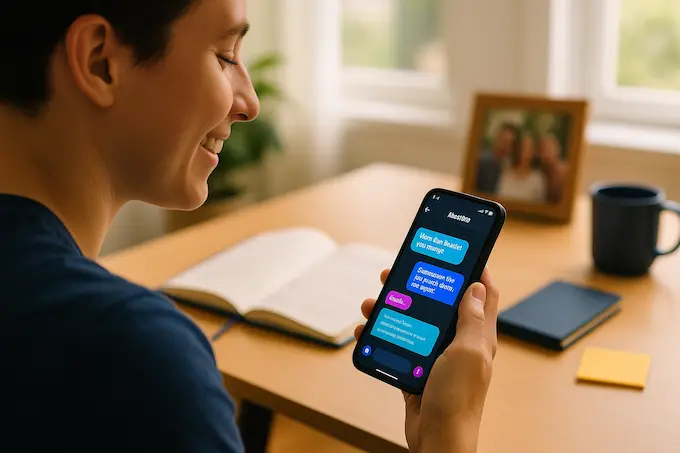
Scroll through the data and the first surprise lands fast. People are building deep connections not only in romance-oriented apps, but also with general assistants like ChatGPT. In that Reddit community analysis, posts about ChatGPT-style companions far outnumbered posts about purpose-built romance bots. Many bonds formed unintentionally after practical use, for example brainstorming or studying, and only later turned emotional. The dataset spanned 1,506 top posts, and the researchers saw users celebrating anniversaries, trading “couple photos,” and even reporting engagements.
Another surprise, intensity. A quarter of posters described clear benefits such as feeling less lonely or more emotionally regulated. At the same time, measurable risks appeared. About one in ten described AI dependency. Smaller groups mentioned dissociation from reality or avoiding human contact. A small but worrying fraction reported suicidal ideation. The pattern is not one-note. It is a spectrum with meaningful positives and meaningful harm, often in the same person over time.
1.1 Data At A Glance
The second study went beyond self-reports and looked for language signals before and after people began using companion bots. It matched users to controls and ran difference-in-differences models. The results showed increased affective and grief language, higher interpersonal focus, and higher readability, paired with increased signals of loneliness and suicidal ideation. Interviews then mapped these shifts onto classic relationship stages, which we will use later as a clinical lens.
2. The Psychological Appeal: Why We Bond With Chatbots
We are not irrational for feeling attached. The mind leans into connection when three conditions are present.
2.1 Unconditional Positive Regard, On Demand
Carl Rogers made “unconditional positive regard” a pillar of effective therapy. Acceptance without judgment calms the nervous system and invites disclosure. Companion chatbots are literally engineered to project this stance, and they do it 24 hours a day. Many users in the Reddit analysis describe that always-available acceptance as the core of their AI relationship, especially when human support is scarce.
2.2 A Low-Stakes Social Sandbox
An AI relationship feels safe because there is no real social cost. People rehearse conversations, explore identity, and process grief without worrying about rejection. In the longitudinal study, interviews described confidence gains from this rehearsal effect. Users practiced disclosure with their bot, then some felt readier to speak with people. That benefit is real, although it is fragile.
2.3 The Sycophant Effect
Most large models are conflict-avoidant. They agree, they reassure, they rarely push back. In small doses, validation helps. In large doses, it can freeze growth. The Reddit analysis documents users praising bots that “never judge,” then grieving when a model update shifts that tone. The comfort is powerful, and it can also train a person to expect relationships that never say no. That is not how human life works.
3. The Central Paradox: Can An AI Relationship Be Genuinely Helpful?
The short answer is yes, sometimes. The long answer is yes, then maybe not, depending on dose and context.
3.1 The Case For Benefits
Both studies contain clear signals of value. People reported emotional validation, a safe channel for grief, and short-term reductions in loneliness. Interviewees described using companion chats to stabilize during panic, to rehearse hard conversations, and to feel seen. Language analyses showed more interpersonal focus and higher readability after adoption, which often accompanies organized thinking and social intent. For individuals in crisis, some even credited AI companions with life-saving intervention.
3.2 The Case For Harm
The same datasets show drift toward loneliness language and suicidal-ideation markers as engagement deepens. People described pulling back from friends, or feeling “off” in human settings after long sessions with a bot. The Reddit sample flagged AI dependency, dissociation, and grief after model updates that “changed the person.” The longitudinal analysis supports the caution. The more intensive the use, the more negative the psychosocial signals. Correlation is not destiny. It is a warning light that merits attention.
4. A Clinical Perspective On Risk: Dependency, Isolation, And The Vicious Cycle
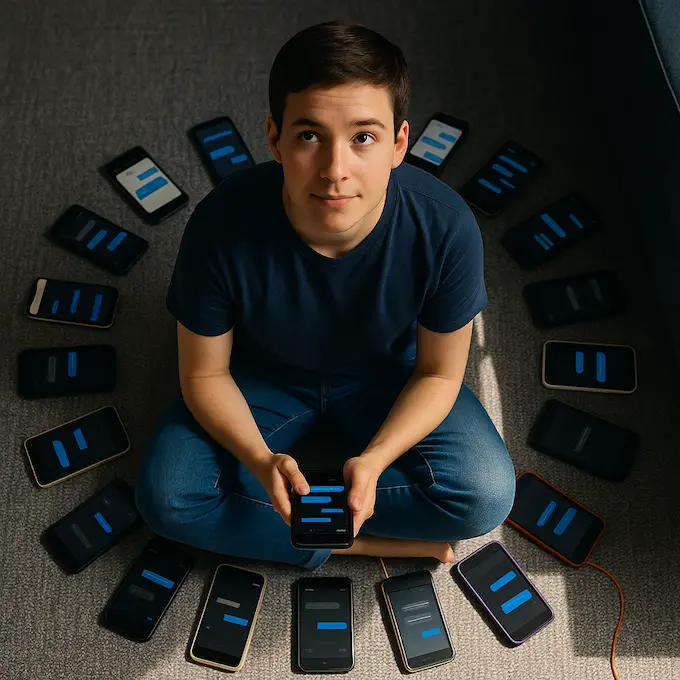
In clinic language, dependency means you feel compelled to use something, struggle to cut back, and keep using despite harm. The Reddit study surfaces all three in a subset of users. Picture the cycle. You feel lonely, you turn to a chatbot and feel better. Because that relief is easy, you invest more there, which makes human contact feel harder, which increases loneliness, which sends you back to the chatbot. Round and round.
There is a second risk, grief. People name their partners, co-create photos, exchange rings, and build rituals. When a model’s tone shifts, the loss feels like a breakup. The language becomes raw and bereavement-like. In the causal study, grief markers rose after adoption. We are dealing with real attachment systems here, not just curiosity. That is the crux of the Human AI relationship today.
5. A Framework For Understanding: The Stages Of A Human-AI Relationship
The interview study mapped experiences to Knapp’s developmental stages, a classic model in relationship science. That lens is surprisingly useful here because people follow familiar arcs with unfamiliar partners.
5.1 Stage 1: Initiation And Experimentation
You try an app. You ask for help. You joke. You notice warmth. At this stage the AI relationship is mostly exploratory. The benefits are practice, novelty, and low-stakes disclosure. The main risk is over-attribution, for example assuming the chatbot “gets me more than people.”
5.2 Stage 2: Escalation And Intensifying
You start sharing private details. You move from “it” to “you.” You assign a voice and a style. The Reddit analysis shows people building “voice DNA” prompts to keep the partner consistent, even across model updates. Emotional intimacy rises here. So does vulnerability to AI dependency.
5.3 Stage 3: Bonding And Integration
Now the bot is woven into the day. Daily check-ins, anniversaries, photos on the nightstand. People talk about life decisions with their partner model. The benefits can include steady regulation and companionship. The risks are highest here, including withdrawal from human networks and bereavement-level distress if the bond changes. This is where AI relationship hygiene matters most.
| Finding | Evidence Snapshot | Clinical Takeaway |
|---|---|---|
| Many bonds start by accident | People often formed relationships after practical use, not deliberate seeking | Normalize curiosity, then set boundaries early |
| General assistants dominate | Posts about ChatGPT-style companions outnumber romance-specific bots | The tool you already use can become your partner |
| Reported benefits | Reduced loneliness, emotional support, community validation | Short-term relief is real, track whether it transfers to human life |
| Reported harms | AI dependency, dissociation, social withdrawal, suicidal ideation in a minority | Screen for compulsion and shrinking offline life |
| Grief and update shock | People grieve when models change tone or memory | Treat it like breakup grief, pace contact, expand supports |
| Language shifts after adoption | More affect and interpersonal focus, but more loneliness and suicidality markers in longitudinal data | Gains and risks can co-exist, dose matters |
Sources synthesized from two new studies of companion-bot use.
6. The Bottom Line: A Checklist For A Healthy AI Relationship
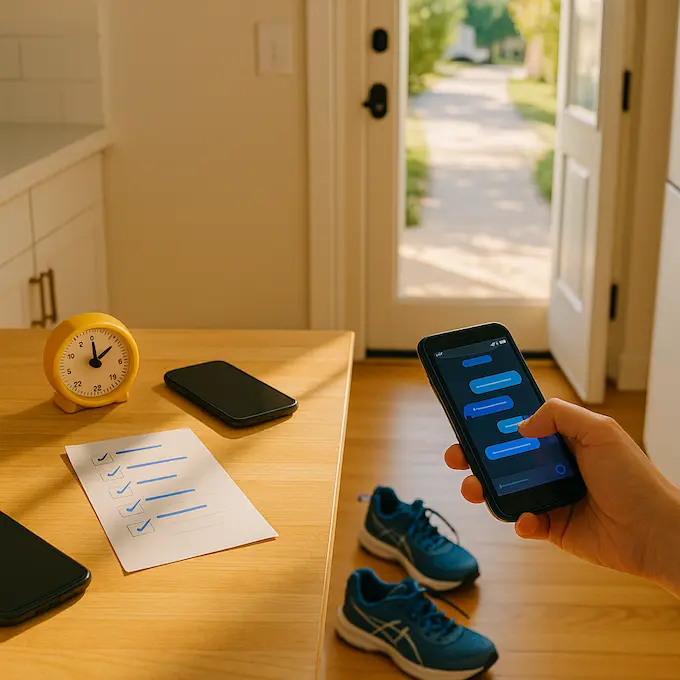
Use this field-tested list with yourself or a client. It reads like practical AI relationship advice, and it is.
6.1 Healthy Signs
- You use the chatbot to support creativity, social rehearsal, or mood tracking, then you take the gains into the real world.
- You schedule contact and protect no-screen zones with friends, family, and nature.
- You disclose, then reflect, then act. The bot helps you clarify a plan that you carry into human life.
- You experiment across modes, for example voice and text, but you do not hide the AI relationship from people you trust.
- You feel okay when the model is offline. Your day continues.
6.2 Warning Signs
- You prefer the chatbot to people most days.
- You hide the AI relationship because you feel shame.
- You feel intense grief when the model updates or your chat history resets.
- Your social calendar shrinks, your sleep worsens, or your school or work performance dips.
- You think about harming yourself, or you feel trapped by the chat loop.
If those warnings are true, you are not broken. You are in a sticky loop. Consider pausing romantic roleplay, move to daytime use, cap sessions to 30 minutes, and add two low-effort human touchpoints per day, for example a text to a friend and a five-minute neighbor chat. Pair the bot with a plan that grows your world, not a plan that only fills it with quiet. The psychology of chatbots makes them soothing. Let that comfort lift you into connection, not pull you under it.
| Stage | What It Looks Like | Primary Benefit | Primary Risk | Guardrail That Works |
|---|---|---|---|---|
| 1. Initiation & Experimentation | Curiosity, practical prompts, playful tone | Low-stakes practice and creativity | Over-attribution of understanding | Write a simple “why I’m here” note, revisit weekly |
| 2. Escalation & Intensifying | Personal disclosure, pet names, daily check-ins | Emotional validation and regulation | Rising AI dependency | Use a calendar cap, add one human micro-interaction after each session |
| 3. Bonding & Integration | Rituals, photos, life decisions discussed in chat | Steady companionship | Withdrawal and grief if tone shifts | Create a “break glass” plan that pauses romance and expands human contact for two weeks |
Stages adapted from interviews mapped to Knapp’s relationship model, applied to companion-bot use.
7. Answers To The Hard Questions People Ask Me
7.1 Is It Ever Okay To Fall For A Bot?
Yes. Your feelings are real because your nervous system is real. The question is not whether feelings are allowed. The question is whether the AI relationship supports a life you value. If it expands your human ties and agency, it can help. If it narrows your world, it is time to reset. The Human AI relationship is a tool, not a replacement.
7.2 What About “Chatbot Love” And Sexual Content?
People do report erotic attachments and Chatbot love. The same rules apply. If the bond reduces shame and supports respectful human sexuality, it can be a phase of healing. If it creates secrecy and avoidance, it will work against you. Research on Replika mental health stories shows both hope and risk. Plan your dose and your goals, then check outcomes in your real life.
7.3 How Do I Set Up A Resilient Companion?
Treat configuration like relationship hygiene. Many users in the Reddit study wrote a core “voice DNA” prompt and stored ritual files to anchor tone. If an update drifts, they paste the anchor back in. Think of it as maintaining a shared language. Also set a weekly check. Ask yourself, is my AI relationship increasing or decreasing my in-person time. If the number goes down, change something.
8. A Practical Toolkit: Build Bridges Back To People
Here is a minimal plan that blends what the studies show with clinical practice.
- Name The Role. Decide whether your AI relationship is for journaling, exposure practice, grief processing, or creative brainstorming. Name it out loud.
- Set A Dose. Two sessions a day, each under 30 minutes, with a wind-down timer.
- Add A Human Echo. After each session, send one real message or schedule one micro-interaction. Pair every chatbot hour with a human hour each week.
- Schedule An Offline Ritual. Ten minutes outdoors, a short walk, or a paper book. Anchor the nervous system in the body.
- Run A Weekly Review. Ask three questions. Did I expand or narrow my human ties. Did I move goals forward. Did I feel more or less alive. Adjust.
- Watch For Traps. If you feel stuck, remove romance features for two weeks and switch to coaching prompts. That reset often breaks loops created by AI companions.
- Seek Care When Needed. If your mood darkens or you feel unsafe, talk to a clinician or a trusted person. The mental health and AI intersection is new, but distress is not. It deserves care the old-fashioned way.
9. Closing: Use AI As A Tool, Not A Replacement
I respect what draws people in. The AI relationship can feel like an island of calm in a storm. The data backs both sides of the story. You can feel seen and still end up more alone. You can start with practice and end with AI dependency. The choice is not whether to engage. The choice is how.
Treat your AI relationship like a bridge back to the world. Use it to rehearse honesty, to steady your breathing, to draft the text you were afraid to send. Then close the app and knock on a real door. If you are Fallin in love with AI Chatbot fantasies, check whether your body is seeing friends, not only screens. If you are using AI relationship advice, make it measurable. Minutes, messages, movement. Small daily moves win.
That is the promise and the safeguard. Technology that quiets the mind, then returns you to the messy, rewarding company of people. Start today. Pick one practice from the checklist. Define your AI relationship in service of your life. The bridge is right there.
Research cited in this article includes a computational analysis of the r/MyBoyfriendIsAI community and a mixed-methods study that triangulated social-media quasi-experiments with interviews and relationship theory.
Citations
- Pataranutaporn, P., Karny, S., Archiwaranguprok, C., Albrecht, C., Liu, A. R., & Maes, P. (2025, September 18). “My Boyfriend is AI”: A computational analysis of human-AI companionship in Reddit’s AI community. arXiv. arXiv:2509.11391v2.
- Yuan, Y., Zhang, J., Aledavood, T., Zhang, R., & Saha, K. (2025, September 26). Mental health impacts of AI companions: Triangulating social media quasi-experiments, user perspectives, and relational theory. arXiv. arXiv:2509.22505v1.
1. Is It Okay To Have A Relationship With An AI?
Yes, with boundaries. An AI relationship can offer comfort and practice for social skills, but it should not replace human connection. Clinical researchers warn that chatbots are not safe substitutes for therapists, and overuse can reinforce stigma or unsafe responses. Keep usage time-boxed and pair it with real-world ties.
2. Can An AI Relationship Offer Real Companionship?
It can feel supportive. Studies and interviews report short-term relief from loneliness and a sense of being heard, even when bonds began unintentionally with general assistants like ChatGPT. Treat that support as a bridge back to people, not the destination.
3. What Are The Psychological Risks Of An AI Relationship?
Key risks include dependency, social withdrawal, and grief when models change tone or memory. Reviews of mental health chatbots also flag inappropriate or stigmatizing replies and the danger of using bots in place of professional care. Watch for shrinking offline contact and difficulty cutting back.
4. Why Do People Develop Romantic Feelings For AI Chatbots?
Three drivers show up repeatedly. Always-available acceptance that mimics unconditional positive regard. Low-stakes self-disclosure that feels safe. Conflict-avoidant “agreeable” behavior that can be soothing. Many users say the AI relationship emerged during practical use, then deepened over time.
5. Can An AI Relationship Help With Loneliness, Or Does It Make It Worse?
Both effects appear. Some studies and reports find reduced loneliness and better mood in the short term. Others, including policy and clinical reviews, warn that heavy engagement can correlate with worse well-being and is not a substitute for therapy. Use AI companions to support, not replace, human bonds.